
We provide the best care you need.
OUR SERVICES
Equality Life offers a range of services. From house cleaners – yard maintenance workers, in home respite – client in home support. We have something to offer everyone.

Assistance In Supported Independent Living
Providing help and/or supervision of daily tasks to live as independently as possible while building skills. If it meets the NDIS funding criteria supported independent living provided
may include:
- Help with personal care tasks.
- Help build skills in things like meal preparation and cooking, cleaning, and developing a routine.
- Help action any behaviour support plans.
- Help to develop social skills
- Support with supervision, personal safety, and security.
- Support to give medication.
- Support for medical appointments.
- Community access that is not routine or regular, for example, support to complete personal tasks
- Support to get to and from community access activities, where this is a preference.
- For example, support to attend hydrotherapy sessions, or to visit family or friends outside of the home.

After School Supports for Children
Supporting children and young people with a disability and their families through personalised services that develop self-confidence and foster independence. Assisting with but not limited to.
- Healthy life and social skills development.
- Technology assistance and support.
- Education assistance and support in home.
- Help build skills in things like meal preparation, cooking and developing a routine.

Respite Services
Designed to give both NDIS participants and their informal support a well-earned break. We provided the care so the carer can attend to everyday activities, go on holiday, or just relax.
Respite care can be from as little as a few hours to several weeks. In home or away, let us assist in finding short-term accommodation options to enjoy a short sea change.
**This service is limited for participants that state respite supports in their NDIS plan.
Contact us today for more information on how we can help you with any of your support needs.
Services Required
Click Here
General Enquiry
Call Now
Work With Us
Submit Now

Participation In Community, Social And Civic Activities
Providing participants with one-on-one support to engage in the community with social and recreational activities. Assisting to develop healthy social and relationship building skills that meet the interests of the participants NDIS plan and goals.
- Recreational activities.
- Lunches and dinners.
- Visiting family or friends outside of the home.
- Shopping.
- Fishing.
- Movie days.
- Transportation to and from.

Group Activities
Get involved by joining our activities committee and help deliver tailor made programs. Group activities are a great way to meet people and have fun in a safe and supportive environment. Supporting participants to develop new life skills, meet new people and engage in the community.
Our group activities include but are not limited to.
- Children’s School Holiday Programs.
- Mature Group Activities.
- Events such as shows/community events.
- Mandated programs/community programs.
- Recreational activities
- Community centre days.
- Transportation to and from activities.
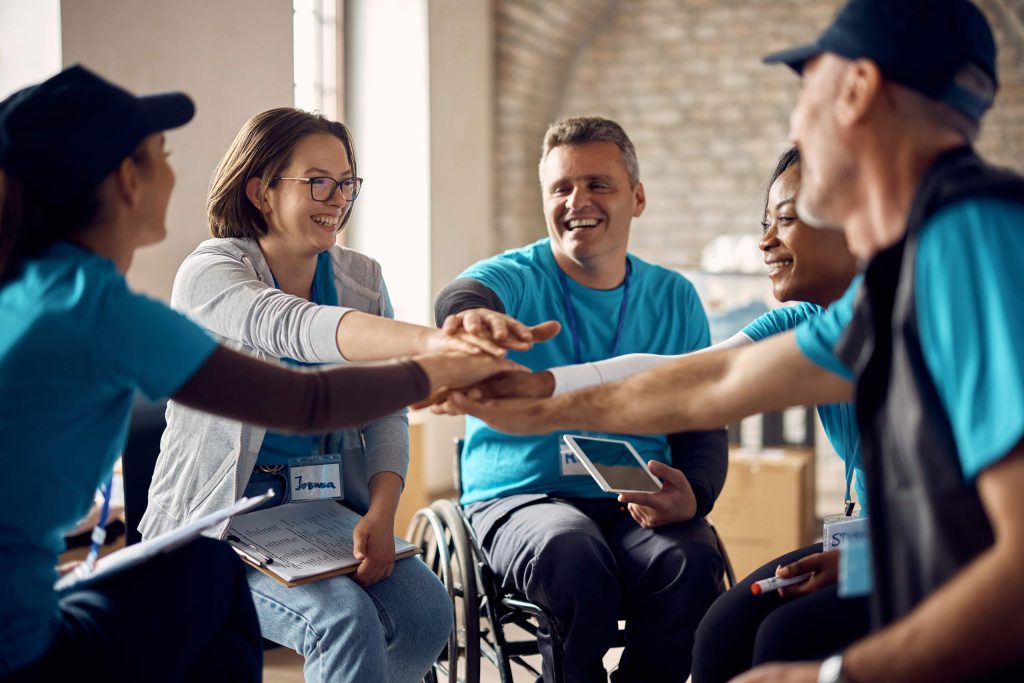
Support Coordination
Support Coordination helps you make the most of your NDIS plan by:
- Explaining your plan in plain language so you know what supports are available.
- Helping you find and connect with the right providers for your goals.
- Monitoring your supports to make sure they are working effectively.
- Supporting you to resolve minor issues with services before they become bigger problems.
- Assisting with budgeting your plan to get the best value from your funding.
Example: If you want to attend a community activity but aren’t sure how to arrange transport and support, a support coordinator can organise it for you.
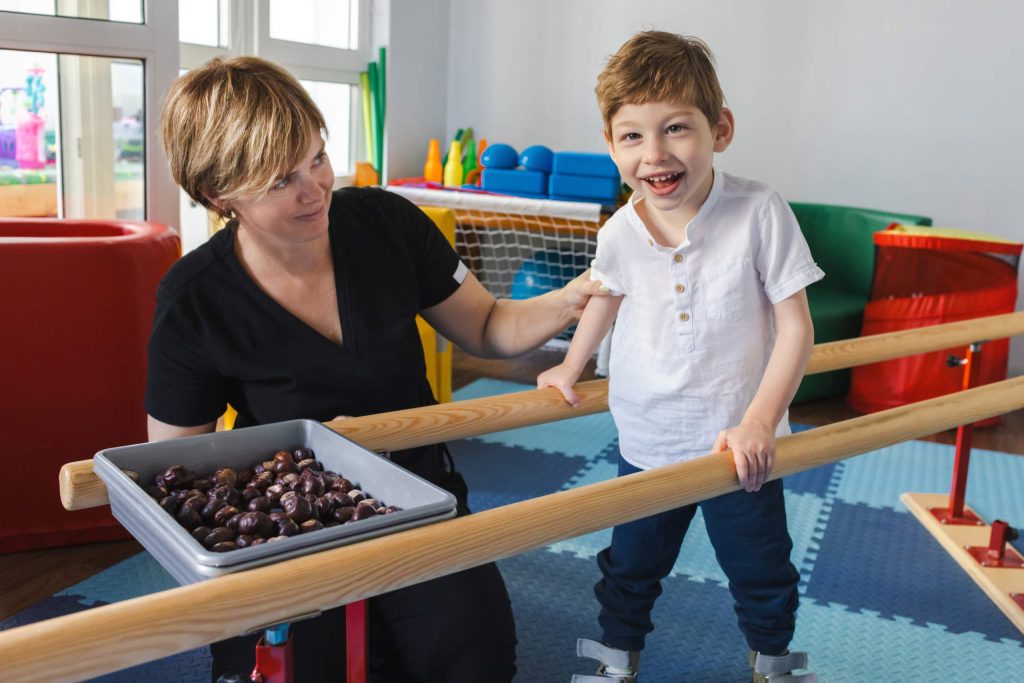
Specialist Support Coordination
Specialist Support Coordination is for people with complex needs or challenging situations:
- Provides high-level support for managing multiple services and supports.
- Helps you navigate complicated situations such as multiple health conditions, family conflict, or urgent housing needs.
- Advocates on your behalf to remove barriers to receiving the right supports.
- Works closely with your other service providers to ensure everything is coordinated.
- Offers crisis support and long-term strategies for achieving your goals.
Example: If a participant has both physical and mental health challenges and struggles to access suitable therapy, specialist coordination ensures all providers communicate and work together.
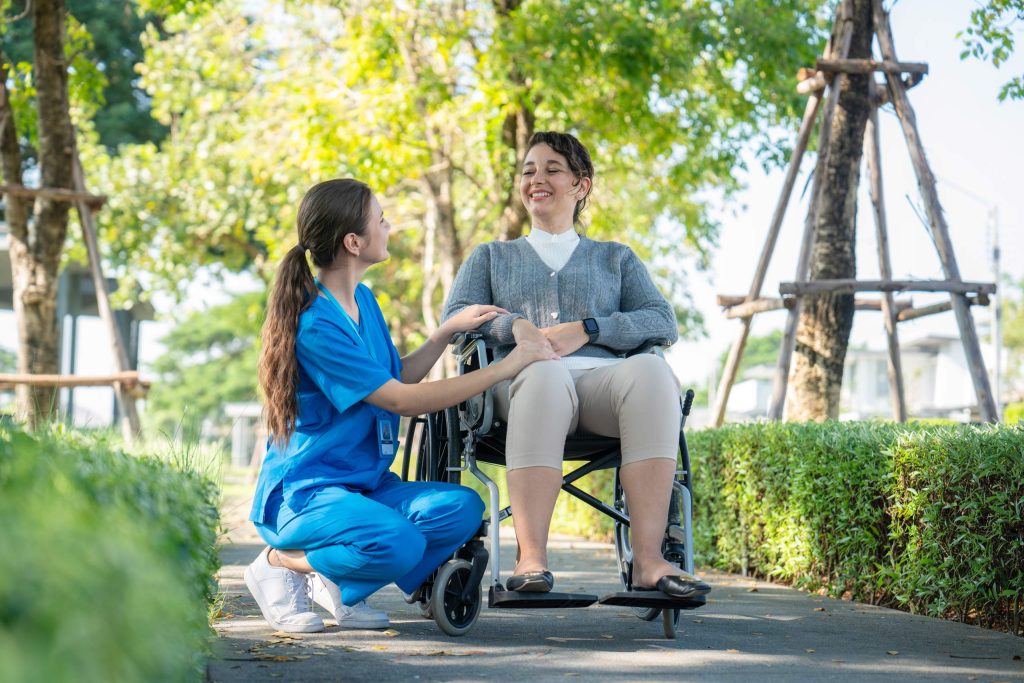
Recovery Coaching
Recovery Coaching focuses on mental health and wellbeing:
- Helps you set personal goals and work toward them at your own pace.
- Supports building life skills, confidence, and resilience.
- Provides guidance on coping strategies during challenging times.
- Encourages independence while providing structured support.
- Connects you with community programs, peer networks, and social activities.
Example: Supporting a participant to gradually build confidence in attending social events or community programs after experiencing anxiety.
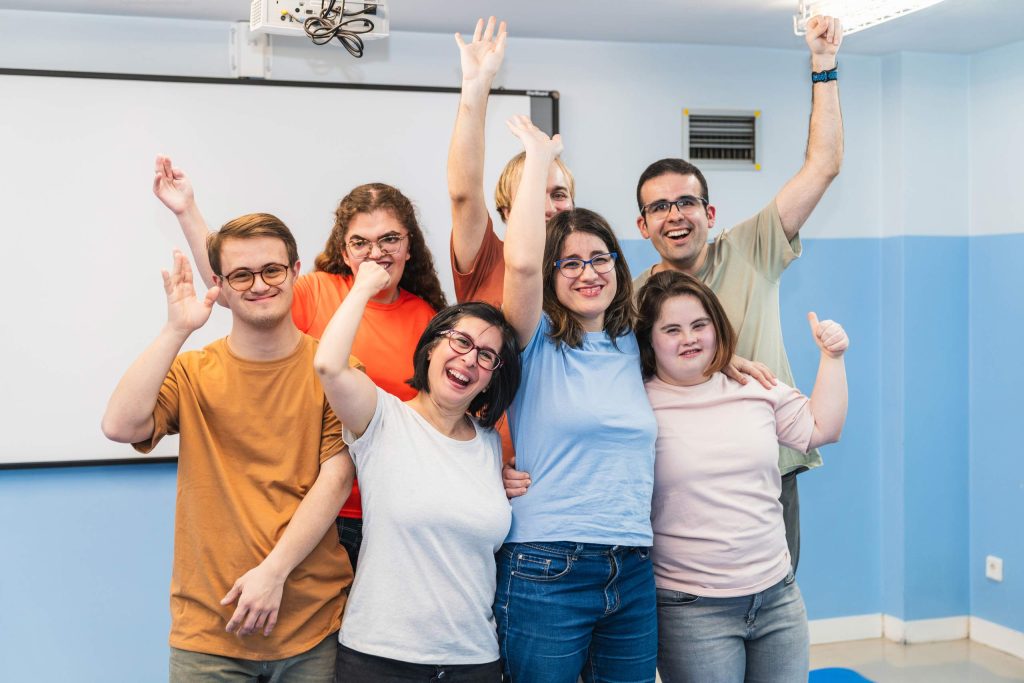
Social Work
Social Work provides broader support for wellbeing and life challenges:
- Offers emotional and psychological support to participants and their families.
- Assists with housing, legal issues, finances, and accessing community resources.
- Helps navigate complex systems and advocate for your rights.
- Supports family dynamics and helps build a strong support network.
- Works collaboratively with other health and disability professionals to improve overall quality of life.
Example: Helping a family access emergency housing while ensuring ongoing NDIS-funded supports continue uninterrupted.
High Intensity Support
Complex supports represent some of highest risks for participants, workers and others and are areas where we have taken particular care to source the relevant skills and knowledge to deliver high quality and safe supports.
*High intensity support work includes administration of non-routine medication as required:
Complex Bowel Care
Bowel care is a routine part of personal support. It requires a specialist level of support where the participant is at risk of severe constipation or fecal incontinence.
- Follow personal hygiene and infection control procedures.
- Recognise the intensely personal nature of this type of support and make sure of the participant’s consent for the approach.
- Observe and record change in bowel habits.
- Administer laxatives, enemas or suppositories according to procedure.
- Identify when to seek health practitioner advice.
Urinary Catheter Management
Replacing and disposing of bags and monitoring health of people using indwelling and suprapubic catheters can be part of a general support worker role. In these cases, insertion of the catheter is done by a health practitioner.
- Follow infection control procedures.
- Replace and dispose of catheter bags.
- Maintain charts/records.
- Monitor catheter position.
- Monitor skin condition around catheter.
- Recognise and respond/report blockages, dislodged catheters, signs of deteriorating health or infection.
Subcutaneous Injections
People who cannot self-administer injections for the medications they need due to their disability high-intensity care can be required.
- Support person will confirm client details and need for injection.
- Follow personal hygiene and infection control procedures.
- Follow safe injecting procedures using pumps and pens.
- Monitor for any adverse reactions, maintain records.
Pressure Care and Wound Management
Complex wound management are undertaken by our care workers with a nursing qualification or support workers with relevant training.
- Recognise risk and symptoms of pressure.
- Identify when to refer to health practitioner.
- Follow plan instructions to inspect/replace dressings (under health practitioner supervision and only when indicated in wound management plan)
Enteral Feeding and Management
Supporting a person who is reliant on Percutaneous endoscopic gastrostomy (PEG) feeding can be part of a general support worker role. A person reliant on NG feeding typically has more complex health issues requiring high intensity support.
- Follow personal hygiene and infection control procedures.
- Confirm need and consent for enteral feeding.
- Introduce food via tube according to plan.
- Monitor rate and flow of feeding and take appropriate action to adjust if required.
- Keep stoma area clean, monitor and report signs of infection.
- Check that the tube is correctly positioned, monitor equipment operation.
- Follow procedures to respond to malfunction (e.g. blockages)
- Follow procedures to document a request to review mealtime plan where required.
- Liaise with health practitioners to explain/demonstrate requirements.
- Recognise and respond to symptoms that could require health.
Manage Diabetes
Where a person with diabetes requires support to implement their diabetes management plan and need regular injections that they cannot administer themselves.
- Support a person to implement their diabetes management.
- Identify and respond to hypoglycemic episodes
- Monitor and record blood sugar levels (BSLs).
- Follow procedures to calculate dose requirements.
- Administer medication.

